/filters:format(jpeg,png)/fit-in/300x300/guide_websites/56087/images/298825572_472272414905754_2494306294959087333_n.jpg)
/filters:format(jpeg,png)/fit-in/237x80/guide_websites/56087/images/298825572_472272414905754_2494306294959087333_n.jpg)
Top Dive Sites for Scuba Diving in Key Largo (Reefs & Wrecks)
%2Ffit-in%2F1000x1000%2Ffilters%3Aformat(webp)%2Fguide_websites%2F56087%2Fimages%2F1761230062238spring-special.jpg&w=1920&q=75)
Published: March 31, 2026
Key Largo stands out for its incredible range of underwater experiences, making it a top choice for divers of all levels. With Key Largo scuba diving, you can explore vibrant coral reef ecosystems filled with marine life as well as historic shipwrecks that add depth and adventure to every dive. The area offers calm, shallow reefs perfect for beginners alongside deeper wreck sites suited for more advanced divers. Many of these locations are protected within the Florida Keys National Marine Sanctuary, helping preserve their natural beauty. Altogether, scuba diving in the Florida Keys delivers a diverse and well-rounded diving experience in one destination.
What Makes Key Largo Unique for Scuba Divers
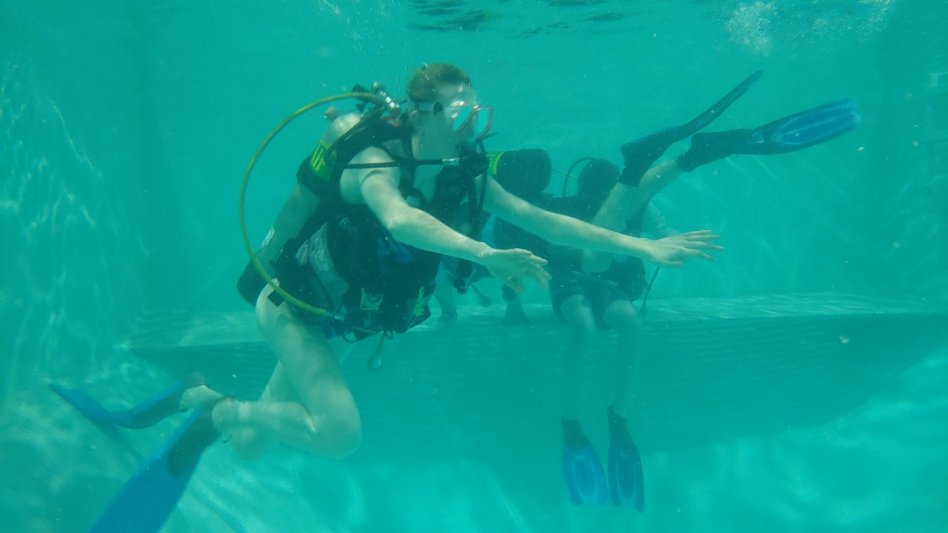
Key Largo attracts divers from around the world for its easy access and wide range of dive experiences. Located close to mainland Florida, it allows quick trips to offshore sites without long travel times. With scuba diving in Key Largo, Florida, divers can explore protected reef systems inside the John Pennekamp Coral Reef State Park, where coral formations and marine life thrive in well-preserved conditions.
The region combines natural reefs with artificial wrecks, offering diverse dive experiences in one trip. Warm water, clear visibility, and abundant marine life create consistent, enjoyable conditions for divers throughout the year.
Reef Dive Sites in Key Largo
Key Largo’s reef dives offer vibrant coral landscapes, shallow depths, and rich marine life, making them ideal for beginners, photographers, and divers seeking relaxed underwater exploration.
Molasses Reef – The Most Famous Reef Dive
One of the most visited sites in the Florida Keys, Molasses Reef stands out for Key Largo diving with its vibrant coral formations and thriving marine life. Located about six miles offshore within the Florida Keys National Marine Sanctuary, it features multiple mooring points and over 30 distinct dive spots, offering plenty of variety in a single location.
- Depth ranges from 10–60 feet, ideal for beginners to intermediate divers
- Frequent sightings of sea turtles, rays, and reef fish
- Spur-and-groove coral formations create diverse underwater terrain
- Excellent visibility supports underwater photography
- Multiple dive spots allow varied exploration in one trip
French Reef – Caves, Arches, and Swim-Throughs
French Reef is known for its dramatic underwater structures, including caves, arches, and swim-throughs. Popular features like Christmas Tree Cave and Hourglass Cave make it a highlight for scuba divers exploring Key Largo, Florida. Its varied topography and marine life create an engaging dive experience for certified divers.
- Depth ranges from 25 to 80 feet, suitable for many divers
- Cave systems offer exciting swim-through opportunities
- Sightings include turtles, angelfish, and large coral fans
- Strong visibility enhances underwater photography
- Commonly included in guided dive charters
Grecian Rocks & Christ of the Abyss
Grecian Rocks combines shallow reef diving with a unique underwater landmark. Popular among those interested in scuba diving in the Florida Keys, it is home to the famous bronze statue, Christ of the Abyss, located within the Key Largo Dry Rocks Sanctuary Preservation Area. It remains a must-visit site for a relaxed and memorable dive.
- Shallow depth of 15–40 feet, suitable for beginners and snorkelers
- Features the iconic Christ of the Abyss statue
- Surrounded by colourful coral and marine life
- Calm conditions allow easy exploration
- Ideal for first-time divers and guided experiences
Famous Wreck Dives in Key Largo
Key Largo’s wreck dives offer dramatic underwater structures, deeper exploration, and thriving marine habitats, attracting advanced divers while also providing select beginner-friendly wreck sites to explore.
USS Spiegel Grove – Legendary Artificial Reef
The USS Spiegel Grove is one of the largest wreck dives in the Florida Keys, a 510-foot Navy landing ship intentionally sunk to create a thriving artificial reef. Its massive structure and depth make it a standout site for experienced divers seeking scale and complexity.
Key details:
- Depth ranges from 60–130 feet, suited for advanced divers
- Massive structure with multiple swim-throughs and open sections
- Home to barracuda, goliath grouper, and large schools of fish
Why divers love it: Divers are drawn to its sheer size and complexity, which allow for different routes on every dive. The scale of the wreck means a single dive rarely covers it all, encouraging repeat explorations with new discoveries each time.
USCGC Duane – Historic Shipwreck Dive
The USCGC Duane is a 327-foot Coast Guard cutter sunk in 1987, now resting near Molasses Reef along the Florida Keys Shipwreck Trail. Known among those exploring scuba diving in Key Largo, Florida, and Key Largo diving, it offers a mix of history, depth, and active marine life.
Key details:
- Depth around 120 feet, recommended for advanced divers
- Often features strong currents with excellent visibility
- Marine life includes snapper, barracuda, and occasional sharks
Why divers love it: Experienced divers appreciate the wreck’s historic structure and the dramatic underwater setting. The combination of strong currents, large marine species, and clear visibility creates an exciting and rewarding dive experience.
Benwood Wreck – Best Beginner Wreck Dive
The Benwood Wreck is a historic freighter that lies in relatively shallow water, making it accessible for many certified divers. Its calm conditions and manageable depth make it a popular choice for those new to wreck diving.
Key details:
- Shallower depth compared to most wreck dives in the area
- Covered in coral growth with active fish populations
- Frequently used for training and night dives
Why divers love it: Divers enjoy the relaxed conditions and easy access, which make it less intimidating than deeper wrecks. Its marine life, coral-covered structure, and calm setting create a comfortable environment for learning and exploration.
Tips for Planning a Dive Trip in Key Largo
Planning ahead ensures a smooth and enjoyable scuba Key Largo experience, helping you choose the right dive sites, maximise safety, and make the most of reef and wreck adventures.
- Match dives to certification level: Select reef dives for beginners and deeper wreck sites only if you have proper advanced training.
- Understand site difficulty differences: Shallow reefs offer easier conditions, while wreck dives involve depth, currents, and technical awareness.
- Book guided boat dives early: Guided trips provide access to offshore dive sites and ensure safety with experienced dive professionals.
- Choose early morning dive slots: Morning dives usually have calmer seas, clearer visibility, and fewer divers at popular locations.
- Carry an underwater camera setup: Capture coral reefs, wreck structures, and marine life with proper lighting and stable underwater shooting techniques.
Conclusion
From shallow coral gardens to deep historic wrecks, Key Largo diving offers one of the most diverse underwater experiences in the United States. The region’s unique blend of vibrant reef ecosystems and iconic shipwrecks creates opportunities for every skill level, all within a short distance. Divers can explore multiple sites in a single trip, switching between relaxed reef dives and more advanced wreck adventures. To make the most of your time and ensure a safe, guided experience, consider booking your dives with Blue Water Divers, where expert-led trips help you explore these incredible underwater locations with confidence.
FAQs
1. What is the best time of year to dive in Key Largo?
Diving conditions remain good year-round, but spring and early summer typically offer calmer seas, warmer water, and clearer visibility compared to winter months.
2. How many dive sites can be explored in one trip?
Most dive operators schedule two-tank trips, allowing divers to explore at least two different reef or wreck sites in a single outing.
3. What certification level is needed for wreck diving in Key Largo?
Many wreck sites require advanced certification due to depth and conditions, while a few shallow wrecks are suitable for open water certified divers.
4. Are reef dives suitable for first-time divers?
Shallow reef sites with calm conditions make the area ideal for beginners, offering easy entry points and plenty of marine life to observe.
5. What marine life can divers expect to see in Key Largo?
Divers often encounter sea turtles, rays, barracuda, angelfish, and large groupers, along with diverse coral formations supporting a vibrant ecosystem.