/filters:format(jpeg,png)/fit-in/300x300/guide_websites/56087/images/298825572_472272414905754_2494306294959087333_n.jpg)
/filters:format(jpeg,png)/fit-in/237x80/guide_websites/56087/images/298825572_472272414905754_2494306294959087333_n.jpg)
Key Largo Scuba Trips - Reefs, Wrecks & Guides
Scuba Diving in Key Largo - What to Expect
5.0

5 Reviews
- 5
 100%
100% - 4
 0%
0% - 30%
- 20%
- 10%
%2F%2Fusers%2F5cce109b-f270-4d0f-9a46-8e23d3a0a4c5%2Fimages%2Fwhite-fishing-boat-key-largo-9878.png&w=1920&q=75)
Dive Charter by Instructor Pascal Van Craenenbroek in May
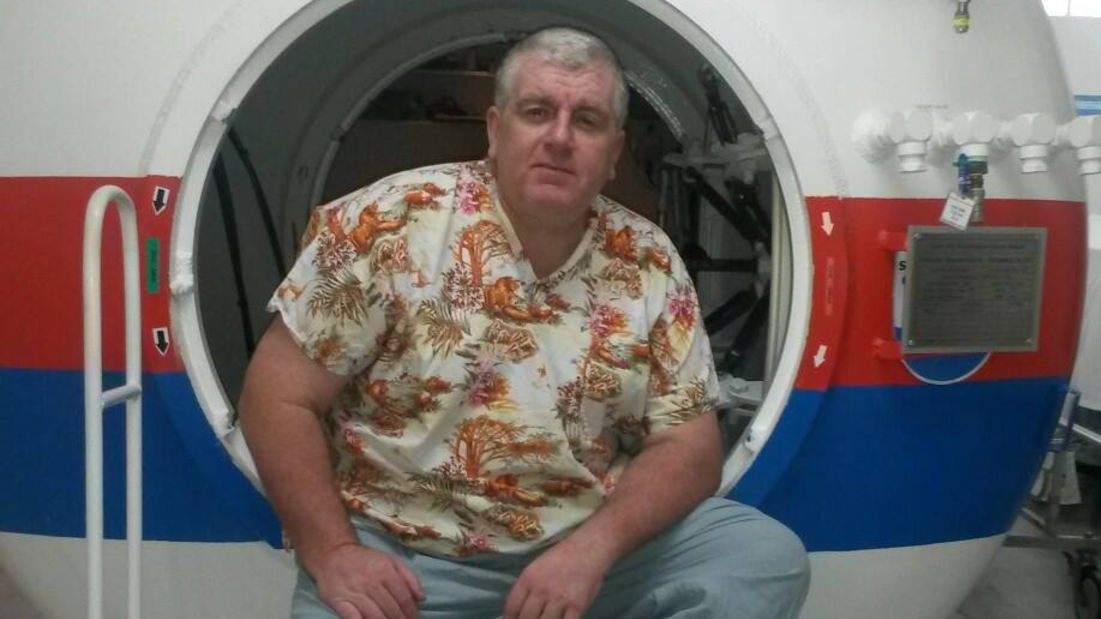
Meet your Instructor Pascal Van Craenenbroek
- PADI-Certified Scuba Diving Courses in Key Largo


Summary
Join a guided dive charter in Key Largo to explore some of Florida Keys' most stunning coral reefs and historic wrecks. BlueWater Divers runs twice-daily scuba trips with certified instructors leading groups to the best sites based on conditions and your certification level. Whether you're a seasoned diver or want to snorkel alongside the action, each 3-4 hour adventure offers something new on the water.
Scuba Diving with Pascal Van Craenenbroek - Rates & Booking
Our instructor of BlueWater Divers runs twice-daily dive charters on Saturday, May 30th from Key Largo. Certified divers pay $100 per person (ages 10+) and snorkelers are welcome at $95 (ages 8+). Each trip lasts between 3 and 4 hours, depending on which reef and wreck sites you're exploring that day. Groups range from 1 to 6 people, so you get a personal touch without feeling crowded on the boat.
We provide all the essentials - tanks, weights, snacks, and fresh water while you're out on the water. Your certification card is required (bring a digital copy or the physical card), and a 25% deposit holds your spot with the balance due after your dives wrap up. The boat features a dock-side rinse tank, camera rinse station, free parking, restrooms, and hot showers so you can freshen up after surfacing.
Ready to book? Just select your date and you'll see gear rental and guide options. Want the ultimate experience? Check out our private charter options for more customization.
Highlights of Your Dive Charter
Key Largo sits in the heart of the Florida Keys, offering access to some of the most vibrant underwater real estate in the country. Your dive options depend on your group's certification levels and current conditions - you might explore two beautiful coral reefs, hit a combination of a wreck and reef, or dive two different wrecks if your group has the experience. The water is typically warm and clear, with incredible visibility for seeing colorful coral formations and marine life up close.
What makes these dives special is the variety. One day you're swimming through ancient shipwrecks exploring the structures and history below, the next you're gliding over living coral gardens teeming with tropical fish. Your instructor knows these waters inside and out and handles all the logistics - you just focus on the experience.
On the Water Experience
Diving in Key Largo means stepping into one of America's most accessible underwater playgrounds. The reefs here sit relatively close to shore but feel like a world away once you descend. You'll encounter vibrant coral ecosystems with brain coral, elkhorn, and staghorn formations that create natural highways through the water. The fish life is abundant - grouper, snapper, parrotfish, and colorful reef dwellers make these dives visually stunning.
When you hit the wrecks, you get a different kind of magic. These artificial reefs have become thriving habitats, with marine growth covering structures and creating an atmosphere of discovery as you explore the nooks and crannies. The water temperature stays comfortable year-round in the Keys, but it's especially pleasant during the summer months.
The boat ride itself is part of the experience. You'll be out on the ocean with the Atlantic stretching around you, the sky clear, and the anticipation building as your captain heads to the day's dive site. The deck space is roomy enough to move around, set up your gear, and relax between sites without feeling cramped.
Plan Your Dive Day
Trips run twice daily, so you can pick the morning slot or afternoon adventure based on your schedule. Bring your certification card, a towel, sunscreen, and a light rash guard if you want extra sun protection. The whole experience - from gearing up to gearing down - takes about 3-4 hours, so plan your day accordingly. Breakfast or lunch before heading out is smart, though snacks and water are provided on the boat.
Groups up to 6 people dive together comfortably with plenty of space for everyone. Your instructor briefs you on the day's sites, currents, and any specific marine life or features you should watch for. If you're snorkeling instead of diving, you'll stay in shallower areas where visibility is excellent and you can see plenty of action without needing certification.