/filters:format(jpeg,png)/fit-in/300x300/guide_websites/56087/images/298825572_472272414905754_2494306294959087333_n.jpg)
/filters:format(jpeg,png)/fit-in/237x80/guide_websites/56087/images/298825572_472272414905754_2494306294959087333_n.jpg)
Scuba Diving Key Largo - Sergeant Major Fish & Coral
Scuba Diving in Key Largo - What to Expect
5.0

5 Reviews
- 5
 100%
100% - 4
 0%
0% - 30%
- 20%
- 10%
%2F%2Fusers%2F5cce109b-f270-4d0f-9a46-8e23d3a0a4c5%2Fimages%2Fsergeant-major-key-largo-coral-5727.png&w=1920&q=75)
Dive Charter by Instructor Pascal Van Craenenbroek in May
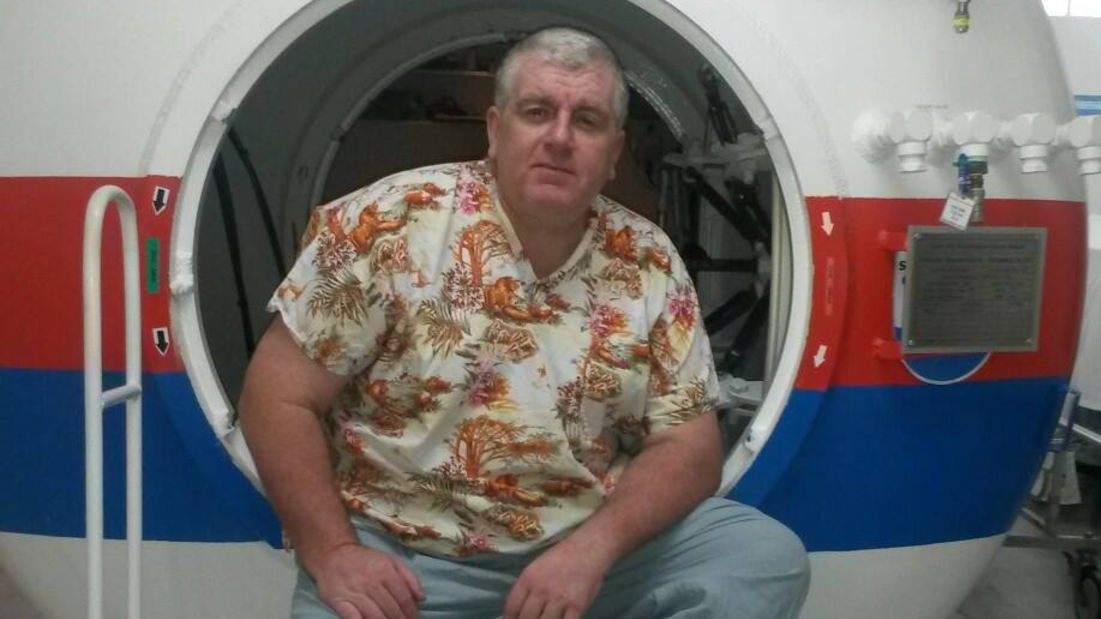
Meet your Instructor Pascal Van Craenenbroek
- PADI-Certified Scuba Diving Courses in Key Largo


Summary
This Friday in May, we joined a dive charter to Key Largo's stunning coral reefs where Sergeant Major fish schooled around vibrant formations. The twice-daily scuba trip delivered everything we hoped for - clear water, thriving marine life, and the kind of local expertise that transforms a good dive into a memorable one. Whether you're after coral gardens or historic wrecks, this guided experience showcases why the Keys remain one of Florida's premier dive destinations.
Scuba Diving with Pascal Van Craenenbroek - Rates & Booking
Our instructor at BlueWater Divers guided us on Friday in May, leading a twice-daily dive charter that showcases Key Largo's best underwater terrain. The trip runs 3 to 4 hours depending on conditions and your group's certification level. We booked for one diver but the boat accommodates up to 6 people comfortably, making it ideal whether you're diving solo or with a small group.
Certified divers pay $100 and must bring proof of certification. Snorkelers join for $95 (ages 8+). You reserve now with a 25% deposit and settle the balance after the dives are done. The operation covers tanks, weights, snacks, and fresh water on the boat. Dock-side and onboard camera rinse tanks keep your gear fresh, plus there's free parking, restrooms, and showers on site. All the logistics work so you can focus on the dive itself.
We offer flexibility in dive site selection - two reefs, a wreck and reef combination, or two wrecks. Pascal and the team decide based on your group's experience level, current conditions, and what the day brings. That adaptability meant we saw exactly what made sense for our skill level.
Highlights of This Dive Charter
The coral formations were the centerpiece - bright, healthy, and teeming with life. Sergeant Major fish actively patrolled the reef structure, their distinctive striped pattern unmistakable as they moved through the water column. Seeing them in their natural habitat, interacting with the coral ecosystem in real time, made the dive feel connected to something larger than just the moment underwater.
Key Largo's reef system reflects decades of conservation and local care. The water clarity during our trip allowed us to take in the whole landscape - from the coral heads to the schools of smaller reef fish. Even the wreck sites feel alive here, quickly colonized by marine growth and fish populations that turned what could be just metal and concrete into living habitat.
Local Species Insights: Sergeant Major
The Sergeant Major fish we encountered are small but unmistakable - roughly 5 to 7 inches long with bold vertical stripes that give them their military-inspired name. They're herbivores that feed on algae and small organisms around coral, making them essential to reef health. What struck us during the dive was their constant activity. They don't hide. They patrol predictable routes, defend small territories around the coral, and tolerate divers well if you move deliberately and respect their space.
These fish school loosely, meaning you'll often see them in groups but not in the tight synchronized formations you might expect. They inhabit shallow to moderate depths throughout the Caribbean and Florida Keys, preferring areas with solid coral structure and plenty of algae growth. The Key Largo reefs we dove offered exactly that - well-established coral gardens where Sergeant Majors thrive. They're a sign of reef health. Their presence indicates the ecosystem supports small herbivorous fish, which means the corals themselves are recovering and productive.
During the dive, watching them interact with the reef taught us about feeding behavior and territoriality. Some maintained loose positions around specific coral heads, possibly defending preferred feeding spots. Others moved freely across the reef, following the contours and exploiting opportunities where algae grew thicker. For a casual diver, they're among the most engaging reef fish - active, visible, and not skittish.
Plan Your Key Largo Dive Day
The operation provides a rhythm that works. You show up early, go through a brief, confirm your certification and any questions with Pascal, and get on the boat. The 3 to 4 hour window includes your transit to the dive site, the actual underwater time (usually two segments with a surface interval), and the return. It's efficient without feeling rushed.
The boat setup gives you genuine comfort between dives - room to move, rinse tanks right there for your gear, and snacks to refuel. Pascal stays attentive to the group, positioning himself to guide but also giving you space to explore the reef at your own pace. With a small group limit of six divers maximum, you're not competing for attention or jostling for position on the reef.
What worked well: bringing a digital copy of your C-card on your phone saves time, wearing a wetsuit you know fits reduces onsite adjustments, and arriving with realistic expectations about what you'll see means you appreciate it more when it appears. The gear they provide is well-maintained, and the freshwater rinse stations keep everything clean for the next trip.