/filters:format(jpeg,png)/fit-in/300x300/guide_websites/56087/images/298825572_472272414905754_2494306294959087333_n.jpg)
/filters:format(jpeg,png)/fit-in/237x80/guide_websites/56087/images/298825572_472272414905754_2494306294959087333_n.jpg)
Beginner’s Checklist for First-Time Divers
%2Ffit-in%2F1000x1000%2Ffilters%3Aformat(webp)%2Fguide_websites%2F56087%2Fimages%2F1761230062238spring-special.jpg&w=1920&q=75)
Updated: December 12, 2025
Dive Into Your First Underwater Adventure: The Ultimate Beginner’s Checklist for Key Largo! If you’ve ever dreamed of exploring the vibrant reefs of Key Largo or the stunning waters of the Florida Keys, your first scuba dive can be both thrilling and a little nerve-wracking. Knowing exactly what to bring scuba diving in Key Largo and having a clear first-time diver checklist in the Florida Keys can turn that nervous excitement into pure underwater joy. From essential gear like masks, fins, and BCDs to safety tips and pre-dive preparation, being prepared is the key to a smooth and unforgettable experience. Whether you’re planning an open water dive, a shore dive in Fort Lauderdale, or your very first guided adventure with PADI beginner tips Key Largo, this guide covers everything every beginner diver needs to feel confident, safe, and ready to explore the magical underwater world.
Why Key Largo & the Florida Keys Are the Perfect Place for First-Time Divers
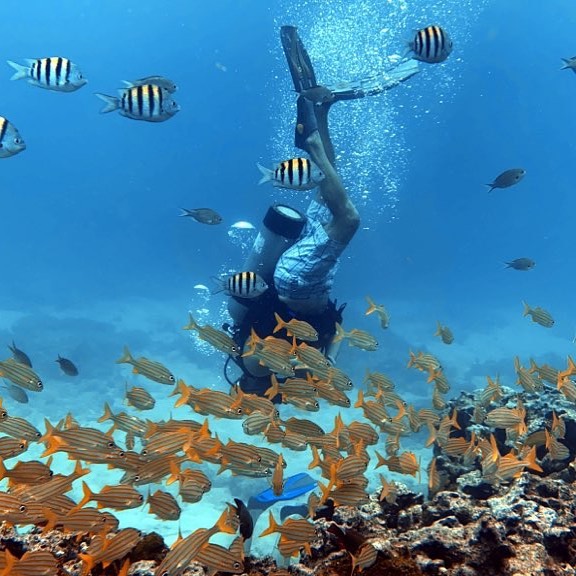
Key Largo is often called the Dive Capital of the World for a reason, it offers some of the calmest, clearest, and most beginner-friendly conditions anywhere in the U.S. For anyone following a beginner scuba checklist, Key Largo, or preparing a first-time diver checklist, Florida Keys, this destination makes learning to dive feel smooth, safe, and incredibly exciting.
The warm tropical waters, gentle currents, and consistently high visibility help new divers feel comfortable from the moment they descend. Shallow reef sites like Molasses Reef, Grecian Rocks, and French Reef allow first-timers to practice buoyancy, explore colorful marine life, and build confidence without pressure or complexity.
Add to that the expertise of local PADI-certified instructors and year-round diving weather, and you have the ideal environment for completing your open water dive checklist or planning an easy shore dive near Key Largo or Fort Lauderdale.
For beginners, it’s hard to find a destination more welcoming, supportive, and naturally beautiful than the Florida Keys, the perfect place to start your scuba journey.
Essential Dive Gear: What to Bring
Packing smart is one of the easiest ways to feel confident on your first dive, especially in a place like Key Largo, where conditions are perfect for beginners. Whether you're following a beginner scuba checklist, Key Largo, preparing for your open water dive, or planning a relaxed shore dive around Fort Lauderdale or the Florida Keys, here’s a simple breakdown of what you’ll actually need.
1. Essential Dive Gear
These are the core items you’ll use underwater. Most Key Largo dive centers include them in your rental or charter package:
- Mask, snorkel, and fins
- BCD (Buoyancy Control Device)
- Regulator set
- Tank and weights
- Dive computer or depth + time gauge
Tip: Even if you’re renting, bring your own mask if possible, comfort makes a huge difference for first-time divers.
2. Personal Items You Should Bring Yourself
These are things dive shops may not provide, but they make your experience much more comfortable:
- Wetsuit or rash guard (depending on water temperature)
- Reef-safe sunscreen
- Swimwear and a towel
- Dry clothes for after the dive
- Certification card or PADI e-card
- Logbook
- Small dry bag for your phone, keys, and valuables
3. Safety Accessories Beginners Shouldn’t Skip
These are simple add-ons that help new divers feel safer and more prepared:
- Surface Marker Buoy (SMB)
- Whistle or signaling device
- Dive knife or cutting tool
- Dive light (helpful for shaded reef areas)
- Spare mask (optional but great backup)
Having this checklist ready before your trip takes the pressure off and helps you focus on what really matters: enjoying your first dive in the beautiful waters of Key Largo and the Florida Keys.
Pre-Dive Prep & Planning
A smooth dive day actually starts long before you reach the boat, and a little preparation goes a long way for first-time divers in Key Largo and the Florida Keys. Whether you're following a first-time diver checklist, finishing your open water dive checklist, or gearing up for your first guided experience, getting organized early helps you dive with confidence instead of rushing at the last minute.
Here’s what to handle before you arrive:
- Certification & Health Check: Complete any required medical forms or bring your PADI certification card/e-card. Some dive centers won’t allow you on board without them.
- Book Your Dive Early: Dive trips fill up fast, especially during weekends and holiday seasons. Booking ahead also helps you choose beginner-friendly reef sites.
- Pack Your Essentials: Set aside all the items from your beginner scuba checklist, Key Largo, including your mask, wetsuit, towel, dry clothes, logbook, sunscreen, and dry bag.
- Review Basic Skills: Go over key safety basics like equalizing, buoyancy control, underwater hand signals, and how to perform a buddy check. It helps you feel relaxed on the dive day.
- Stay Hydrated & Rested: Drink plenty of water, avoid alcohol the day before, and get a full night’s sleep so you’re energized and comfortable underwater.
- Plan Your Travel Time: Most Florida Keys and Key Largo dive charters require check-in 30–45 minutes before departure. Plan transportation and parking ahead of time to avoid rushing.
Preparing these simple steps in advance ensures a calm, stress-free start to your dive day, giving you more time to enjoy the warm waters, beautiful reefs, and beginner-friendly conditions Key Largo is known for.
On-Site & Shore / Boat Dive Checklist
Dive day can feel exciting and a little overwhelming, but having a clear checklist makes everything smoother, especially if it’s your first time diving in Key Largo or the Florida Keys. Whether you're boarding a boat, gearing up for a shore dive, or following your first-time diver checklist in the Florida Keys, staying organized helps you feel calm, confident, and ready to enjoy the underwater world.
Below is a beginner-friendly table outlining exactly what to do once you arrive on-site:
| Step | What to Do | Why It Matters for Beginners |
| 1. Check-In & Gear Pickup | Sign in, complete forms (if needed), pick up rental gear | Ensures you’re registered, safe, and properly equipped before boarding |
| 2. Fit & Test Your Gear | Try on mask, fins, wetsuit, adjust BCD and regulator | Prevents leaks, discomfort, or equipment issues underwater |
| 3. Set Up Your Gear Station | Assemble your tank, regulator, BCD, and place items neatly | Helps you stay organized and reduces pre-dive stress |
| 4. Listen to the Dive Briefing | Follow instructor or captain’s briefing on conditions, reef location, entry/exit | Crucial for understanding the dive plan and safety rules |
| 5. Perform a Buddy Check (BWRAF) | Conduct the PADI “BCD–Weights–Releases–Air–Final OK” routine | One of the most important safety steps for first-time divers |
| 6. Apply Reef-Safe Sunscreen | Cover neck, back, ears, and legs avoid eyes | Required in Key Largo to protect coral reefs and marine life |
| 7. Hydrate & Relax Before Entry | Drink water, breathe deeply, stay calm before the dive | Helps reduce anxiety, ear issues, and fatigue |
| 8. Practice Mask Clearing & Regulator Recovery on Surface | Quick practice before descending | Builds instant confidence for new divers |
| 9. Slow, Controlled Entry into the Water | Giant stride, back roll, or shore access based on dive type | Ensures a safe and comfortable start to the dive |
| 10. Final Surface Check | Signal OK, adjust buoyancy, stay with your group | Keeps you safe and ready before descending |
A simple, well-organized routine like this makes your beginner scuba checklist Key Largo easier to follow and ensures your first dive day starts smoothly, whether you're joining a boat charter or gearing up for a relaxing shore dive around Key Largo or Fort Lauderdale.
Common Beginner Mistakes & How to Avoid Them
Many first-time anglers in the Florida Keys lose their best catches not because the fish were smarter, but because small mistakes cost them big opportunities.
If you're planning your first fishing trip in the Florida Keys, avoiding common beginner errors can instantly boost your catch rate. Whether you’re targeting snapper, grouper, tarpon, or mahi-mahi, understanding these pitfalls helps you fish more confidently, safely, and successfully. Here are the most frequent mistakes new anglers make and how to fix them fast.
- Using the Wrong Fishing Gear: Choosing gear that doesn’t match local species (like using light tackle for tarpon) reduces your chances. Use species-specific rods, leaders, and bait for better hookups.
- Ignoring Local Weather & Tide Conditions: Beginners often fish during slack tides or rough weather. Check tide charts, wind direction, and moon phases to hit peak feeding windows.
- Poor Casting Technique: Short, inaccurate, or noisy casts can spook fish. Practice smooth, controlled casts and focus on distance + accuracy to land in strike zones.
- Not Checking Regulations & Bag Limits: The Florida Keys have strict rules on size limits and seasons. Always review Florida Fish & Wildlife (FWC) guidelines before heading out.
- Using the Wrong Bait or Presentation: Many beginners use bait that local species aren’t feeding on. Match your bait to the target fish: live shrimp, pilchards, ballyhoo, or lures that mimic natural movement.
- Holding the Rod Incorrectly During the Fight: Keeping the rod tip too low or reeling while the fish is pulling can cause break-offs. Maintain steady pressure and lift don’t muscle the fish.
- Not Hiring a Local Guide for the First Trip: The Keys are vast, and conditions shift daily. A professional guide can help beginners avoid rookie mistakes and go directly to productive spots.
- Overpacking or Bringing the Wrong Essentials: Too much gear slows you down; forgetting sunscreen, water, polarized glasses, or a first-aid kit creates discomfort or safety risks.
- Being Impatient & Constantly Changing Spots: Fish often need time to respond. Beginners move too quickly. Give each spot a fair chance before relocating.
If you avoid these beginner mistakes, your Florida Keys fishing trip will be smoother, safer, and far more rewarding, helping you land the fish you came for.
Quick First-Time Diver Checklist
If you want a simple, no-stress way to stay organized on your first dive in Key Largo or the Florida Keys, this quick checklist is your go-to guide. It’s easy to save, print, or screenshot, perfect for beginners who want a clear list of everything they need for their first-time diver checklist, Florida Keys, beginner scuba checklist, Key Largo, or open water dive checklist.
Below is a compact, beginner-friendly summary of the essentials:
| Category | Checklist Item | Notes for Beginners |
| Personal Gear | Mask, snorkel, fins | Bring your own mask if possible for comfort and fit |
| Wetsuit or rash guard | Choose thickness based on season in Key Largo | |
| Reef-safe sunscreen | Required to protect Florida Keys coral reefs | |
| Swimwear, towel, dry clothes | Keeps you comfortable before and after the dive | |
| Required Documents | PADI certification card / e-card | Mandatory for most open water dives |
| Completed medical form | Needed if you checked “yes” on health questions | |
| Logbook | Log your first dive for future training | |
| Safety Gear | SMB (Surface Marker Buoy) | Increases visibility and surface safety |
| Whistle or signal device | Helps alert boat crews if needed | |
| Dive knife or cutting tool | Useful for entanglement situations | |
| Dive light | Optional but helpful in shaded reef areas | |
| On-Site Essentials | Water bottle | Stay hydrated before and after the dive |
| Dry bag | Protects keys, phone, and valuables | |
| Snacks / light food | Keeps your energy up between dives | |
| Pre-Dive Must-Dos | Buddy check (BWRAF) | Every beginner must perform this with their partner |
| Gear setup | Assemble BCD, regulator, tank, weights | |
| Listen to briefing | Learn the dive route, depth limits, and safety rules | |
| Practice breathing & mask clearing | Helps reduce anxiety for first-time divers |
This compact checklist keeps everything simple and stress-free so you can focus on enjoying the vibrant reefs, gentle currents, and warm waters that make Key Largo the best place for your first dive.
Conclusion
Great dives don’t happen by luck; they happen when you know the best seasons, plan smart, and trust experts who understand the underwater world of Key Largo.
Exploring Key Largo’s reefs, shipwrecks, and crystal-clear waters becomes unforgettable when you time your trip right and avoid common beginner mistakes. Whether you're chasing peak visibility, calmer seas, or vibrant marine life, every season offers something unique for divers of all levels. To make your underwater adventure safer, smoother, and truly spectacular, partner with professionals who know these waters inside out.
Ready to dive deeper with confidence? Book your next Key Largo scuba adventure with BlueWater Divers and experience world-class diving done right.
FAQs
1. What is the best time of year to dive in Key Largo?
The best time to dive Key Largo is April–October for warm water, calm seas, great visibility, and peak marine life activity for beginners and pros.
2. Is Key Largo good for first-time scuba divers?
Yes, Key Largo offers shallow reefs, clear water, gentle currents, top-rated instructors, and beginner-friendly dive sites perfect for first-time and introductory scuba diving.
3. What gear do I need for scuba diving in the Florida Keys?
You’ll need a mask, snorkel, fins, wetsuit, regulator, BCD, dive computer, and safety gear. Most rental shops provide high-quality beginner scuba equipment.
4. How deep are beginner dive sites in Key Largo?
Beginner dive sites in Key Largo typically range from 15–35 feet, offering safe depths, bright coral reefs, and ideal conditions for new scuba divers.
5. How do I prepare for my first scuba diving trip?
Review basic scuba skills, stay hydrated, check your gear, follow safety briefings, and book with a trusted Key Largo dive shop for a stress-free experience.